




Yes, you can use an electric sauna heater in a basement without major ventilation problems, provided you meet a few basic requirements. Basements are naturally enclosed spaces, so a fresh air supply and some form of exhaust are essential for comfort and safety. The good news is that modern electric heaters with built-in air circulation technology significantly reduce the strain on your ventilation setup.
Below, we answer the most common questions homeowners ask before installing an indoor sauna in a basement, from minimum ventilation rules to how smart air technology changes the equation.
What ventilation does a basement sauna actually need?
A basement sauna needs two things: a fresh air intake and a way for stale air to exit. The intake is typically a low vent near the floor that draws in oxygen-rich air, while the exhaust sits higher up to release heat and humidity. Without both, air quality deteriorates quickly and the room becomes uncomfortable or unsafe.
The intake vent is usually placed near the heater, roughly 6 to 8 inches above the floor, so incoming air gets heated before it reaches bathers. The exhaust vent is positioned on the opposite wall, near the ceiling or just below bench level, depending on the design. In a basement, where natural airflow is limited, this cross-ventilation setup is the foundation of a functional home sauna.
Can poor ventilation make an electric sauna heater unsafe?
Yes, poor ventilation in a basement sauna can create real safety risks. Without adequate fresh air, oxygen levels drop as bathers breathe and the heater operates. This leads to stuffiness, dizziness, and in extreme cases, carbon dioxide buildup. While electric heaters produce no combustion gases, they still depend on a well-ventilated space to function safely and comfortably.
Beyond oxygen depletion, poor airflow traps excess humidity. In a basement, that moisture has nowhere to go, which accelerates mold growth in the sauna structure and surrounding walls. High humidity combined with stagnant air also makes the heat feel far more oppressive than the thermometer suggests, shortening how long anyone can comfortably stay inside. Proper ventilation protects both the people using the sauna and the building itself.
How does air circulation technology reduce ventilation dependency?
Advanced air circulation technology reduces ventilation dependency by continuously mixing the air inside the sauna room, preventing hot and cold zones from forming. Instead of relying on passive airflow to distribute heat evenly, the heater actively moves air from ceiling to floor and back again. This keeps oxygen levels more consistent at bench height and reduces the suffocating feeling that builds up in poorly ventilated spaces.
Some heaters achieve this by capturing the scorching steam that rises to the ceiling, blending it with cooler air from the floor, and redirecting soft, breathable steam evenly throughout the room. The result is a more stable temperature from floor to ceiling, which means the sauna feels comfortable at lower thermostat settings. When the air is actively managed this way, the ventilation system does not have to work as hard to maintain a tolerable environment, making it a practical advantage in a basement indoor sauna where ventilation options are limited.
What are the minimum ventilation requirements for a basement sauna?
The minimum ventilation requirements for a basement sauna are one fresh air intake vent and one exhaust vent, sized appropriately for the room volume. A commonly applied guideline is at least 1 square inch of vent opening per cubic foot of sauna volume, though local building codes may specify different standards and should always be checked first.
- Fresh air intake: placed low on the wall near the heater, ideally 6 to 8 inches above the floor
- Exhaust vent: placed on the opposite wall, either near the ceiling or just below the upper bench
- Vent sizing: matched to the room’s cubic footage to ensure adequate air exchange
- Local code compliance: always verify requirements with your local building authority before installation
In a basement, the exhaust vent may need to connect to a mechanical fan or duct system because there is no exterior wall at ground level to allow passive escape. This is a common challenge in below-grade installations and is worth planning for early in the project.
Should you use a mechanical exhaust fan or passive venting in a basement sauna?
In most basement sauna installations, a mechanical exhaust fan is the better choice over passive venting. Basements lack the natural pressure differential that drives passive airflow in above-ground rooms. Without a fan, stale, humid air tends to linger, especially after a session when the heater is off and convection slows down.
A mechanical fan gives you control. You can run it during the session to maintain fresh air exchange, and then run it afterward to purge moisture and bring the room back to a dry baseline. This post-session drying is particularly important in a basement, where ambient humidity is already higher than in other parts of the home. Passive venting can work as a supplementary intake, but relying on it alone for exhaust in a below-grade sauna steam room is rarely sufficient.
What else affects air quality in a basement sauna?
Beyond ventilation, several other factors shape air quality in a basement sauna. The materials used to build the room, how the heater manages steam, and even how often you use the sauna all play a role in whether the air feels fresh and comfortable or heavy and stale.
Wood choice matters more than most people expect. Untreated softwoods like spruce or aspen are standard for a reason: they absorb and release moisture naturally without off-gassing chemicals when heated. Treated or painted surfaces can release unpleasant or harmful compounds at sauna temperatures, degrading air quality regardless of how well the room is ventilated.
Steam management is equally important. A heater that produces harsh, superheated steam forces bathers to breathe in air that feels sharp and dry. A system that blends steam with circulating air produces a softer, more oxygen-rich environment that is easier on the lungs, which matters especially during longer sessions in an enclosed basement space.
How Saunum helps with electric sauna heaters in basement installations
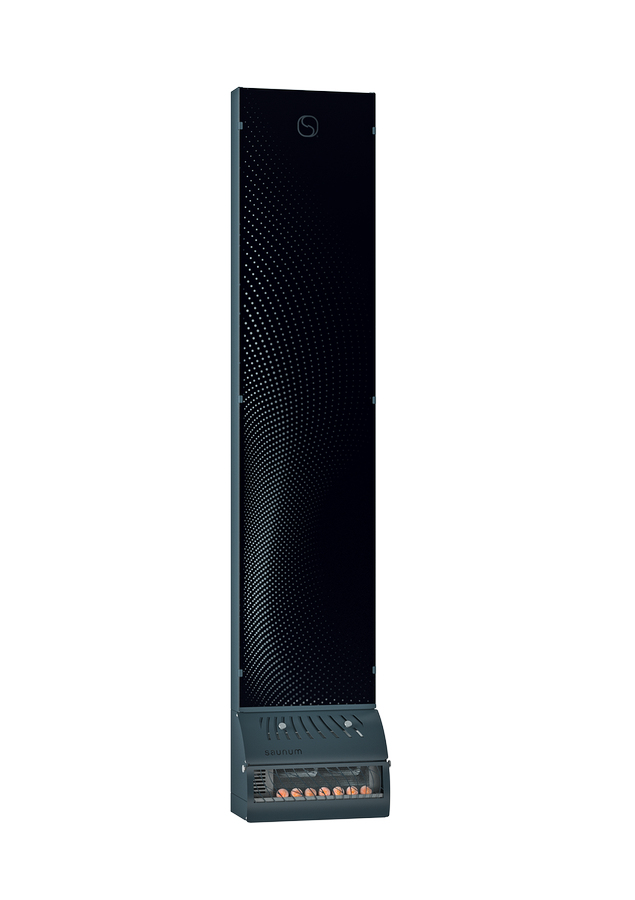
Saunum’s electric sauna heaters are built around a patented air circulation system that directly addresses the challenges of basement sauna installations. By actively mixing the air inside the room, the heaters reduce the burden on your ventilation setup and create a consistently comfortable environment even in below-grade spaces.
- Patented air mixing draws hot steam from the ceiling and blends it with cooler floor air, eliminating temperature stratification
- Oxygen levels at bench height stay more consistent, reducing the stuffy, suffocating feeling common in enclosed basement saunas
- Softer, more breathable steam means sessions feel comfortable at lower temperatures, reducing excess humidity buildup
Whether you are building a new home sauna or upgrading an existing setup, Saunum’s technology is designed to make the experience better and the installation more forgiving. Explore the air circulation technology to understand how it works, or get in touch with Saunum to find the right heater for your basement sauna project.