



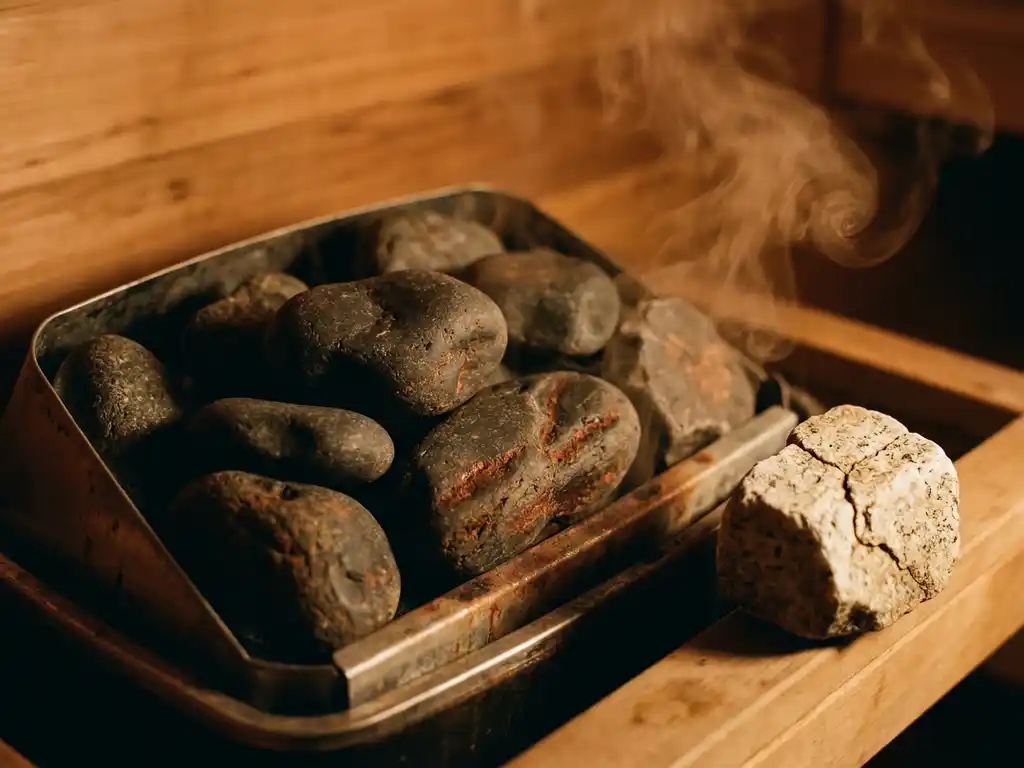
The best rocks for an electric sauna heater are dense, non-porous volcanic stones such as olivine diabase, peridotite, and vulcanite. These rocks handle rapid temperature changes without cracking, do not absorb excess moisture, and release steam evenly when water is poured over them. Choosing the wrong rocks, on the other hand, can be genuinely dangerous, causing rocks to shatter or even release harmful particles into the air. Below, we answer the most common questions about sauna rocks so you can get the most out of your home sauna setup.
Which rocks are recommended for electric sauna heaters?
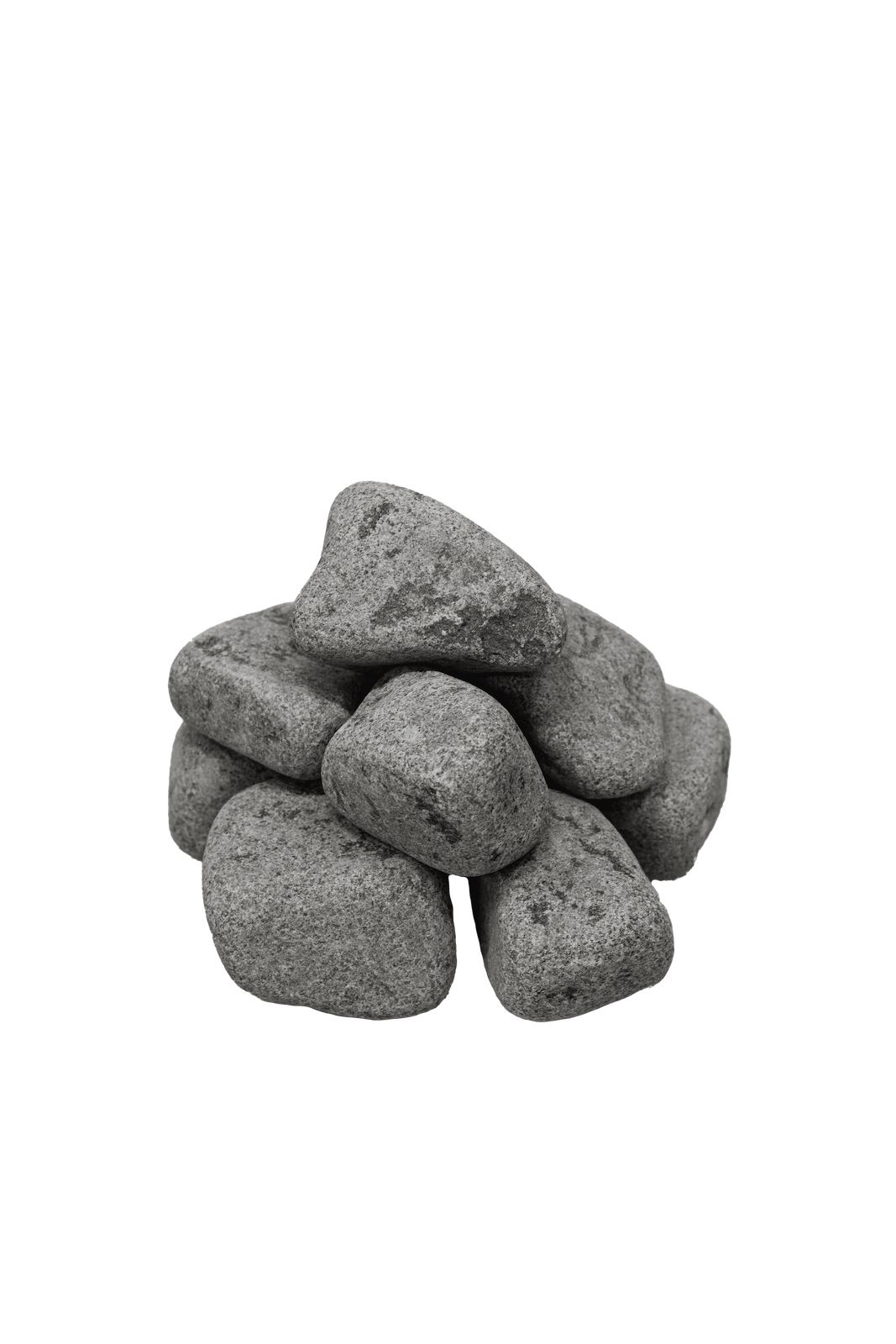
The best rocks for electric sauna heaters are olivine diabase, peridotite, and vulcanite. These are dense, low-porosity volcanic rocks that can withstand repeated heating and rapid cooling without fracturing. They hold heat efficiently, release steam smoothly when water is poured over them, and do not break down quickly under regular use in an indoor sauna.
Most heater manufacturers specify approved rock types in their documentation, and it is always worth following those recommendations. Olivine diabase is arguably the most widely used choice because it is widely available, affordable, and performs consistently over time. Peridotite and vulcanite are slightly denser alternatives that some sauna enthusiasts prefer for their heat retention properties. Whatever type you choose, make sure the rocks are purpose-made for sauna use and sourced from a reputable supplier rather than collected from a garden or riverbed.
What makes a sauna rock dangerous to use?
A sauna rock becomes dangerous when it is porous, contains trapped moisture, has internal cracks, or is made from a mineral composition that reacts poorly to extreme heat. When such rocks are heated rapidly, steam pressure builds inside them and can cause them to crack violently or even explode, sending sharp fragments across the sauna room.
Porosity is the main culprit. Porous rocks absorb water during use and then trap it inside. When the heater cycles back up to full temperature, that trapped water turns to steam faster than it can escape, creating internal pressure. Even rocks that look solid on the outside can have micro-fractures that are invisible to the naked eye but expand dangerously under heat stress. This is why rocks collected from nature, particularly from riverbeds or beaches, are so risky: they may look smooth and sturdy but have absorbed water over years and contain hidden weaknesses.
What types of rocks should never go on a sauna heater?
Never place sedimentary rocks, limestone, sandstone, or any rock collected from a river, lake, or beach on a sauna heater. These rock types are either too porous, too soft, or structurally unsuitable for the intense heat cycling that a sauna heater produces. Granite, while popular in some traditions, can also be problematic because it contains quartz, which expands unevenly under heat and can cause cracking.
Rocks to avoid include:
- Limestone and chalk, which can crumble and release dust
- Sandstone, which is highly porous and absorbs moisture readily
- River or beach stones, which may contain trapped water and hidden fractures
- Granite with high quartz content, which can crack unpredictably under heat stress
If you are ever unsure whether a rock is safe, the safest approach is to purchase pre-approved sauna rocks from a specialist supplier. The small cost is well worth avoiding a cracked heater element or a dangerous rock fragment in your steam room.
How do sauna rocks affect steam quality and air feel?
Sauna rocks directly influence steam quality by determining how quickly and evenly water vaporizes when poured over the heater. Dense, smooth rocks with good heat retention produce a soft, fine steam that disperses gently through the room. Rough, uneven, or degraded rocks tend to produce harsher, spottier steam that can feel uncomfortable on the skin and harder to breathe.
The surface area of your rock bed also matters. A well-packed arrangement of appropriately sized rocks creates more contact points for water, which means more even steam production across the entire heater surface. Over time, rocks that have started to degrade develop a rough, crumbly texture that absorbs rather than reflects heat, reducing steam quality noticeably. This is one reason why the condition of your rocks has a direct impact on how enjoyable your sauna sessions feel.
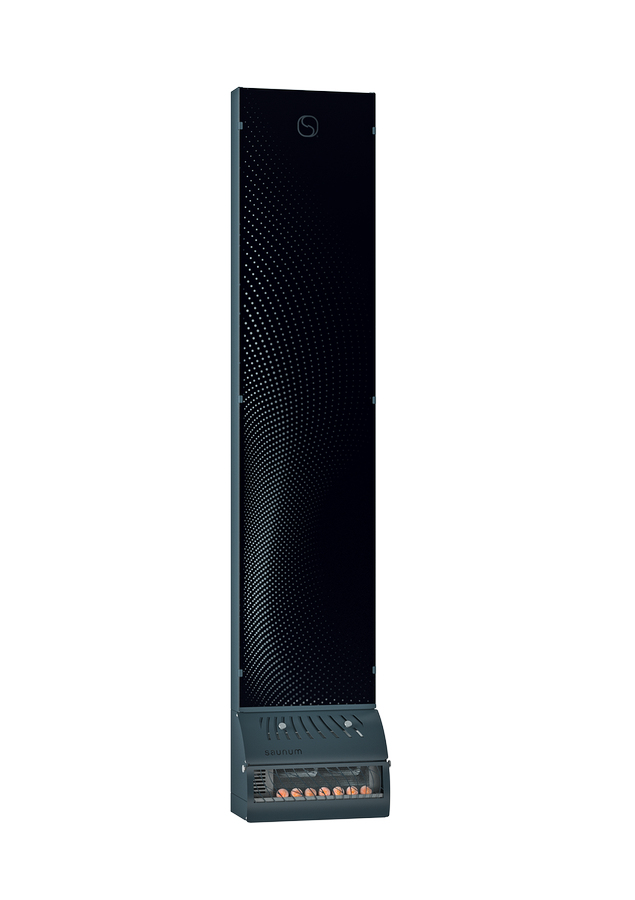
In a well-designed electric heater, steam quality is also shaped by how air moves through the room. Some heaters, such as those using patented air circulation technology, capture the hottest steam that rises to the ceiling, mix it with cooler air from floor level, and redirect it back into the room as softer, more breathable steam. This means that even the steam your rocks produce is distributed more evenly, making each session feel more comfortable from bench height all the way to the floor.
How often should sauna heater rocks be replaced?
Sauna heater rocks should typically be replaced every one to two years for a regularly used home sauna, or more frequently in a commercial sauna steam room with heavy daily use. Over time, rocks absorb mineral deposits from the water poured over them, develop surface cracks, and begin to crumble, all of which reduce their performance and can eventually damage the heater itself.
A good habit is to inspect your rocks at least once a year. Signs that replacement is overdue include visible crumbling or flaking, a white chalky residue on the rock surface, an uneven or weak steam response when water is poured, and a musty or mineral-heavy smell during sessions. Removing degraded rocks promptly also protects the heater elements beneath them, since crumbled rock fragments can fall into the element housing and cause damage over time.
Does rock placement on the heater affect performance?
Yes, rock placement on a sauna heater significantly affects both steam quality and heater longevity. Rocks should be arranged so that air can circulate freely around the heating elements, with larger rocks placed at the bottom and smaller rocks filling the gaps above. Packing rocks too tightly or placing them unevenly can block airflow, cause the heater to overheat, and produce uneven steam.
Most electric heater manufacturers provide a recommended loading pattern in their installation guide, and following it closely is important. The general principle is to create a stable, layered structure that allows water poured from the top to travel through the rock bed and vaporize progressively as it reaches the hotter elements below. This produces a smoother, more sustained steam release rather than a sudden burst. Overfilling the heater beyond its specified rock capacity is one of the most common mistakes sauna owners make, and it shortens both rock life and heater life considerably.
How Saunum helps with electric sauna heaters
Getting the most from your sauna rocks starts with having a heater that is designed to work with them intelligently. Saunum’s electric sauna heaters are built around a patented air circulation system that addresses one of the most common frustrations in sauna use: uneven heat and harsh steam that makes it hard to breathe. Here is what sets their approach apart:
- The heater captures superheated steam from the ceiling and mixes it with cooler floor-level air, delivering soft, even steam throughout the room
- Consistent temperature from floor to ceiling means your rocks heat more uniformly, producing better steam with every ladle of water
- A five-in-one sauna experience includes Finnish sauna, salt sauna, aroma sauna, and more, all from a single heater designed for both home and commercial use
- Smart control via the Saunum app lets you pre-heat your sauna and adjust settings remotely before you even step inside
Whether you are building a new indoor sauna or upgrading an existing setup, Saunum has a heater designed to deliver a superior experience. Contact us to find the right model for your space and start enjoying softer, more breathable steam from day one.