


The ideal sauna session duration is 15–20 minutes for experienced users and 5–10 minutes for beginners. Your optimal sauna time depends on the temperature, your experience level, and how your body responds. Most sauna health benefits occur within this timeframe, while longer sessions increase risks without additional advantages.
What’s the ideal sauna session length for beginners versus experienced users?
Beginners should start with 5–10 minute sessions to allow their bodies to adapt gradually to the heat. Your first few sauna experiences help you understand how you respond to high temperatures and humidity levels.
If you’re new to saunas, begin with shorter sessions at moderate temperatures around 70–80°C. Pay attention to how you feel during and after each session. You can gradually increase your sauna time by 2–3 minutes each visit as your heat tolerance improves.
Experienced sauna users typically enjoy 15–20 minute sessions comfortably. Regular sauna-goers develop better heat tolerance and understand their personal limits. However, even experienced users should avoid exceeding 20 minutes in traditional high-temperature saunas.
Building your sauna tolerance takes patience. Listen to your body rather than forcing yourself to stay longer. Some people naturally tolerate heat better than others, and that’s perfectly normal. The goal is relaxation and health benefits, not endurance.
How does sauna temperature affect how long you should stay inside?
Higher temperatures require shorter sessions for safety. Traditional Finnish saunas at 80–90°C typically limit sessions to 15–20 minutes maximum, while lower-temperature infrared saunas allow 20–30 minute sessions.
Dry saunas operate at higher temperatures but feel more tolerable due to low humidity. Steam saunas feel hotter at lower temperatures because humidity makes heat feel more intense. Your session duration should decrease as either temperature or humidity increases.
Infrared saunas operate at 50–60°C, allowing longer sessions because the heat penetrates differently. You can safely stay in infrared saunas for 20–30 minutes since the lower ambient temperature reduces cardiovascular stress.
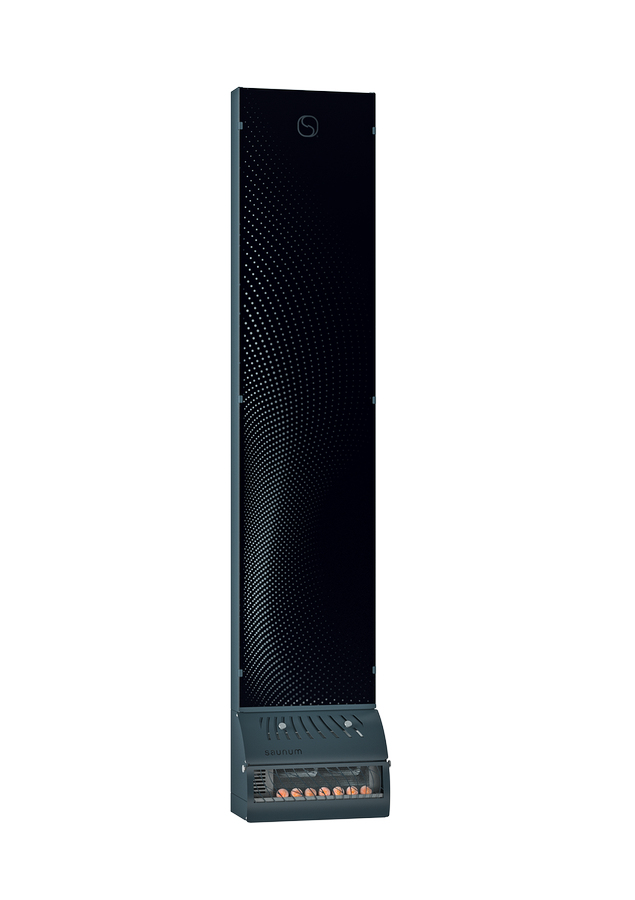
Modern sauna systems with advanced air circulation help maintain consistent temperatures throughout the space. This even heat distribution allows you to enjoy comfortable sessions without hot spots that might force early exits. The improved air quality also makes breathing easier during your session.
What are the warning signs that you’ve stayed in the sauna too long?
Recognising the warning signs of overheating helps you maintain safe sauna practices. Watch for these key indicators that signal it’s time to exit:
- Dizziness or lightheadedness – Often the first sign that your body is struggling to regulate temperature and blood pressure
- Nausea or feeling faint – Indicates your core temperature has risen beyond comfortable levels
- Rapid or irregular heartbeat – Shows your cardiovascular system is working too hard to cool your body
- Difficulty breathing or chest tightness – Suggests the heat is affecting your respiratory function
- Headaches or confusion – Signs that heat stress may be affecting your neurological function
- Sudden cessation of sweating – A dangerous indicator that your body’s cooling mechanism is failing
- Muscle cramps or weakness – Often caused by electrolyte imbalance from excessive fluid loss
These warning signs represent your body’s natural safety mechanisms alerting you to potential heat stress. The severity and combination of symptoms matter more than any single indicator. Trust your instincts over any timer or recommended duration – if something feels wrong, exit immediately and cool down gradually. Seek medical attention if symptoms persist after proper cooling and rehydration, as this could indicate more serious heat-related illness.
How many sauna sessions per week deliver the best health benefits?
Most health benefits occur with 3–4 sauna sessions per week. This frequency allows your body to adapt and recover between sessions while maintaining the cumulative wellness effects that regular sauna use provides.
Daily sauna use is safe for most people, but 3–4 times weekly offers an excellent balance between benefits and practical scheduling. This frequency supports cardiovascular health, stress reduction, and muscle recovery without overwhelming your system.
Your recovery time between sessions depends on your fitness level and how intense your sessions are. Most people feel ready for another sauna session within 24–48 hours. Listen to your body and adjust frequency based on how you feel.
Consistency matters more than frequency for long-term wellness benefits. Regular weekly sessions provide better results than occasional longer sessions. Build a sustainable routine that fits your lifestyle and preferences.
Finding the right sauna session duration and frequency helps you maximise the health benefits while staying safe. Remember that quality matters more than quantity – a comfortable, relaxing session provides better benefits than pushing your limits. At Saunum, we design our advanced heating systems with patented air circulation to create the optimal environment for comfortable, beneficial sauna sessions that you can enjoy safely and regularly.
If you’re interested in getting started with Sauna, check out our full range today.